Archive opening soon

Bakelite
Records

A fictional record label built from real musical obsessions.

Human ideas. Imagined artists. AI-assisted sound.

The tapes are still being sorted.

01 / The Story

The Label

Bakelite Records is a fictional music label created around imagined artists, visual stories and original songs.

The voices, covers and archives belong to an invented world, but the direction is human: lyrics, taste, references, editing, structure, selection, visual identity and final decisions.

AI is part of the process, but not the author of the universe.

We are not replacing musicians.
We are inventing fictional ones, the way cinema invents characters.

02 / Artists

The Roster

A catalogue of imagined artists, reconstructed sessions and voices from different corners of the Bakelite universe.

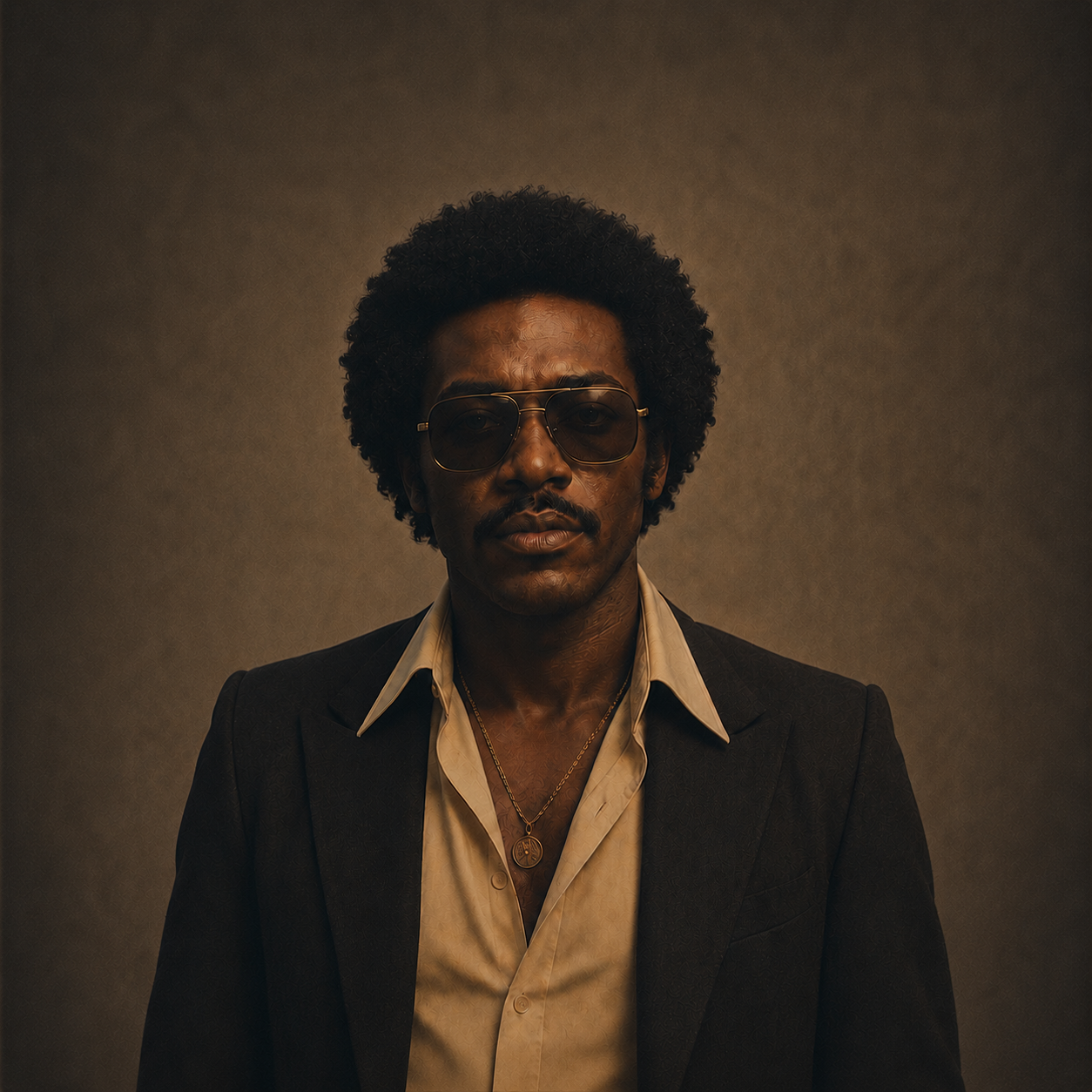
Portrait of fictional soul artist Goldie Cameron

Velvet Soul, 60s and 70s

Goldie Cameron

A warm soul voice from the imagined golden age of Bakelite Records.
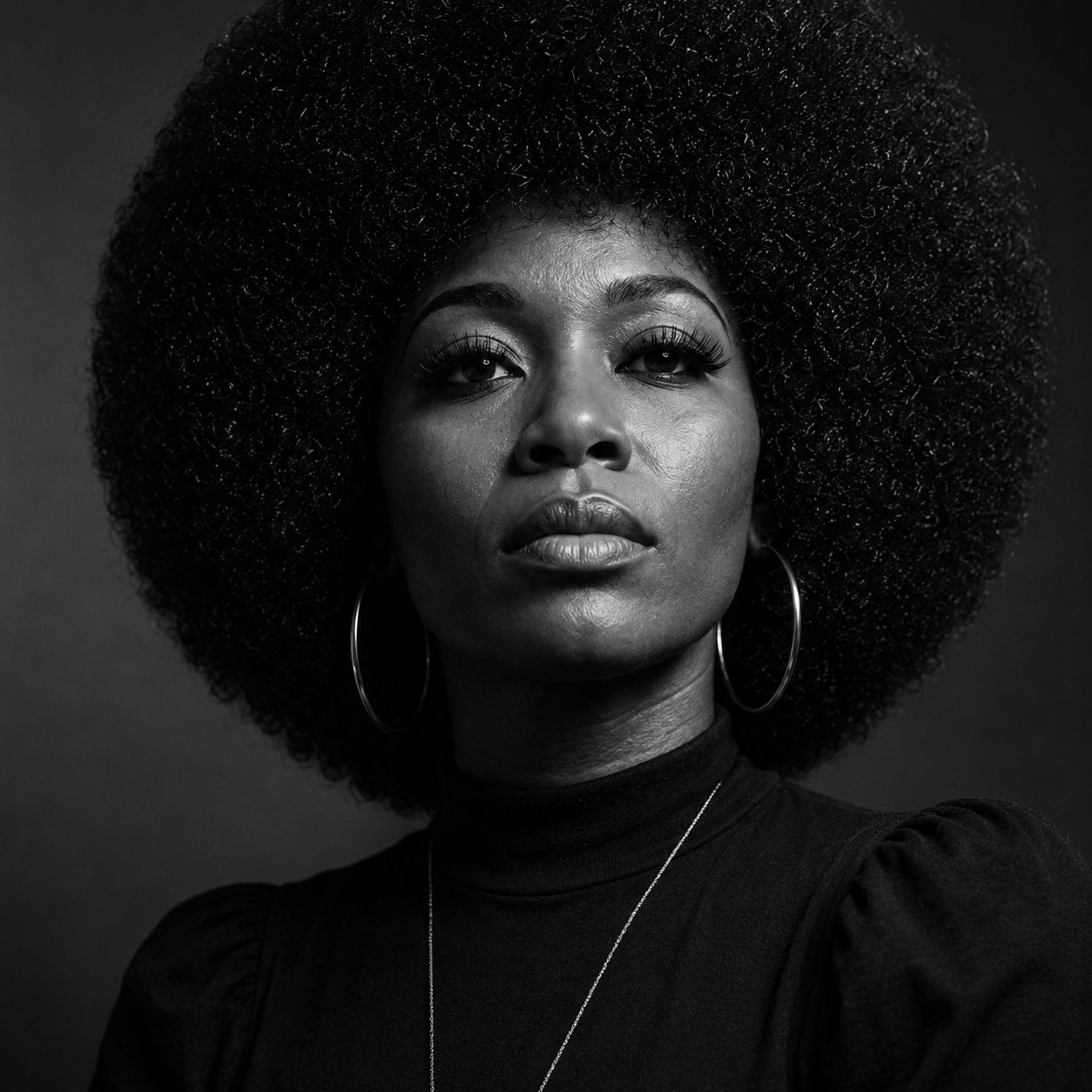
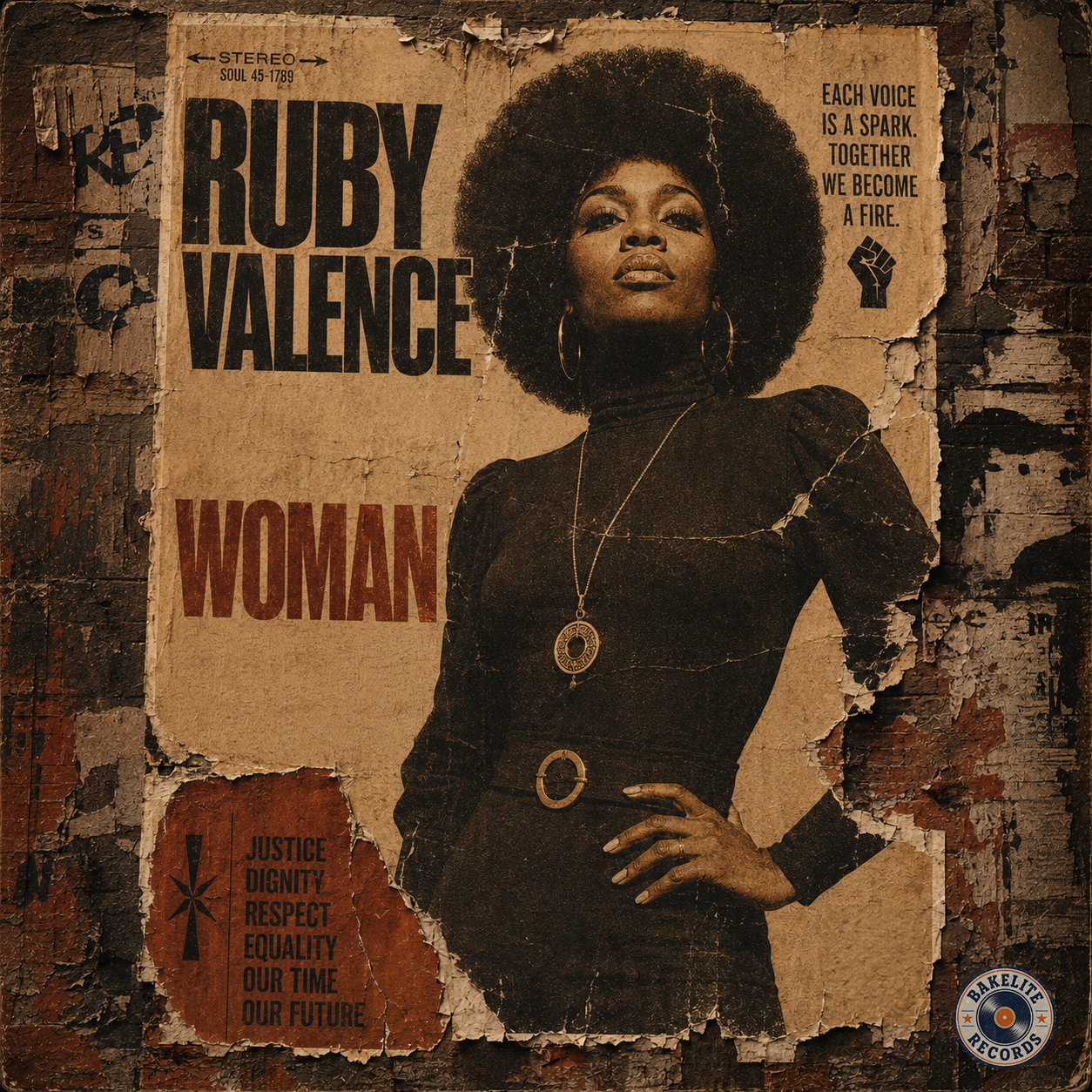
Portrait of fictional protest singer Ruby Valence

Protest songs

Ruby Valence

A powerful voice for dignity, tension and collective fire.

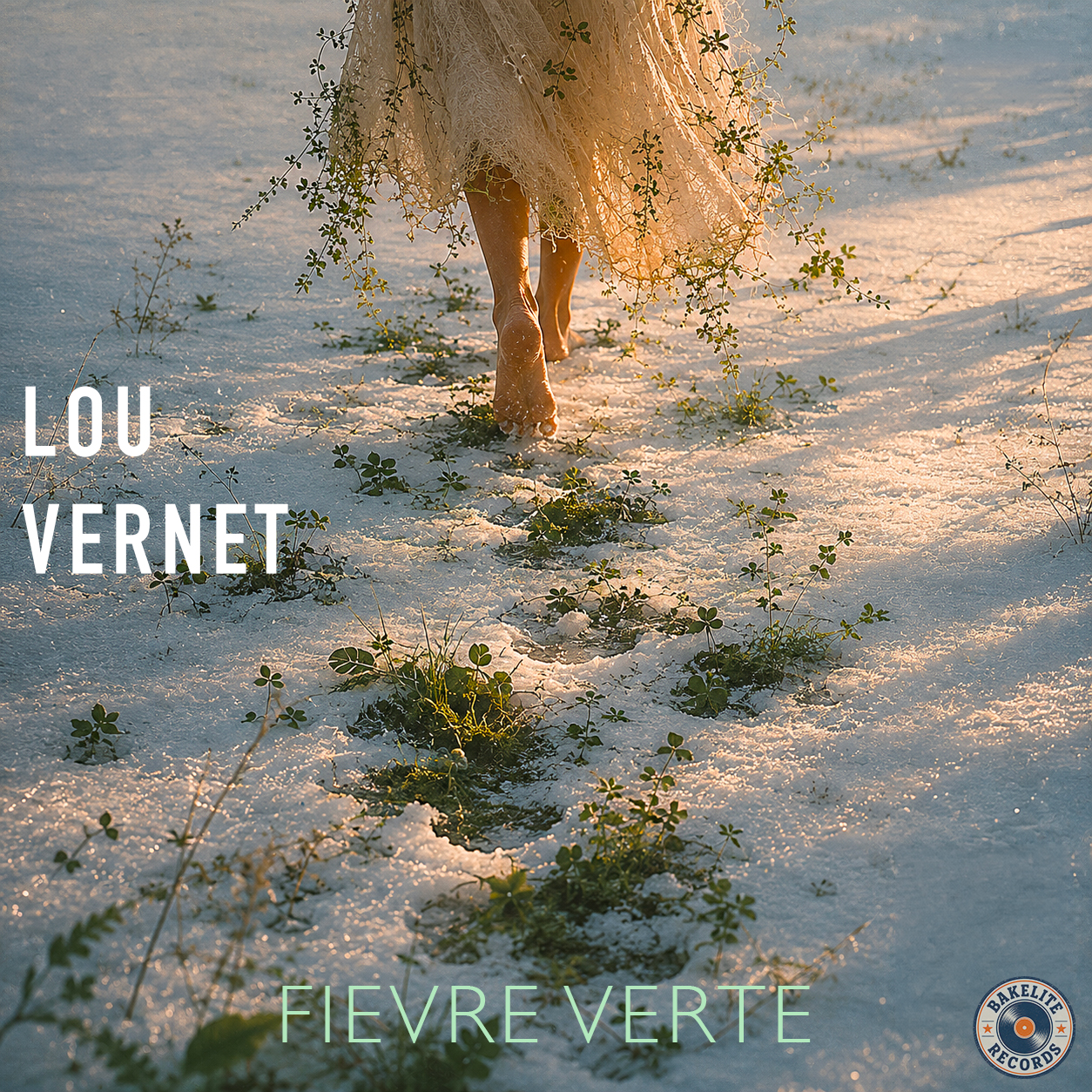
Portrait of fictional French songwriter Lou Vernet

French songwriter

Lou Vernet

French songs, intimate weather and quiet emotional storms.
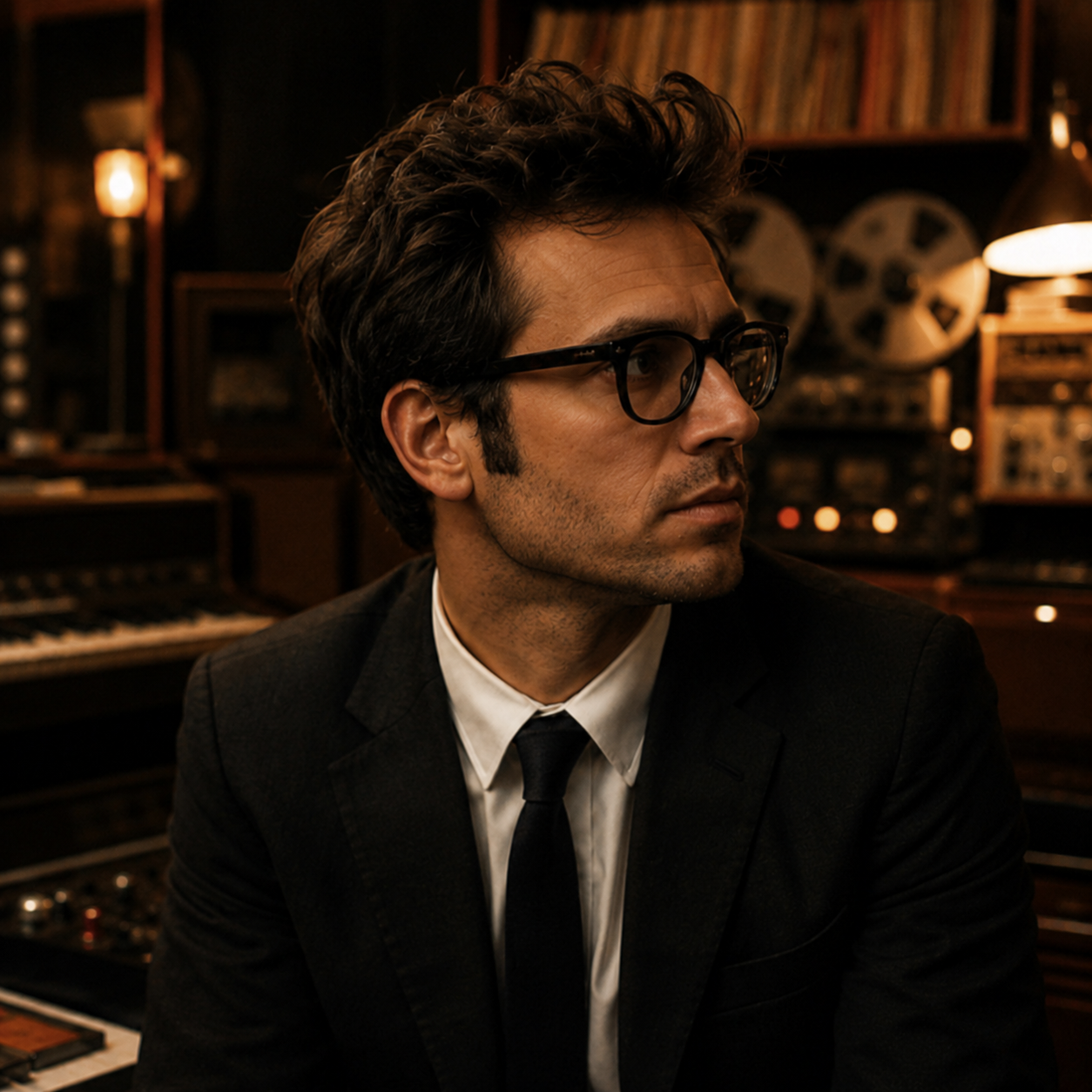
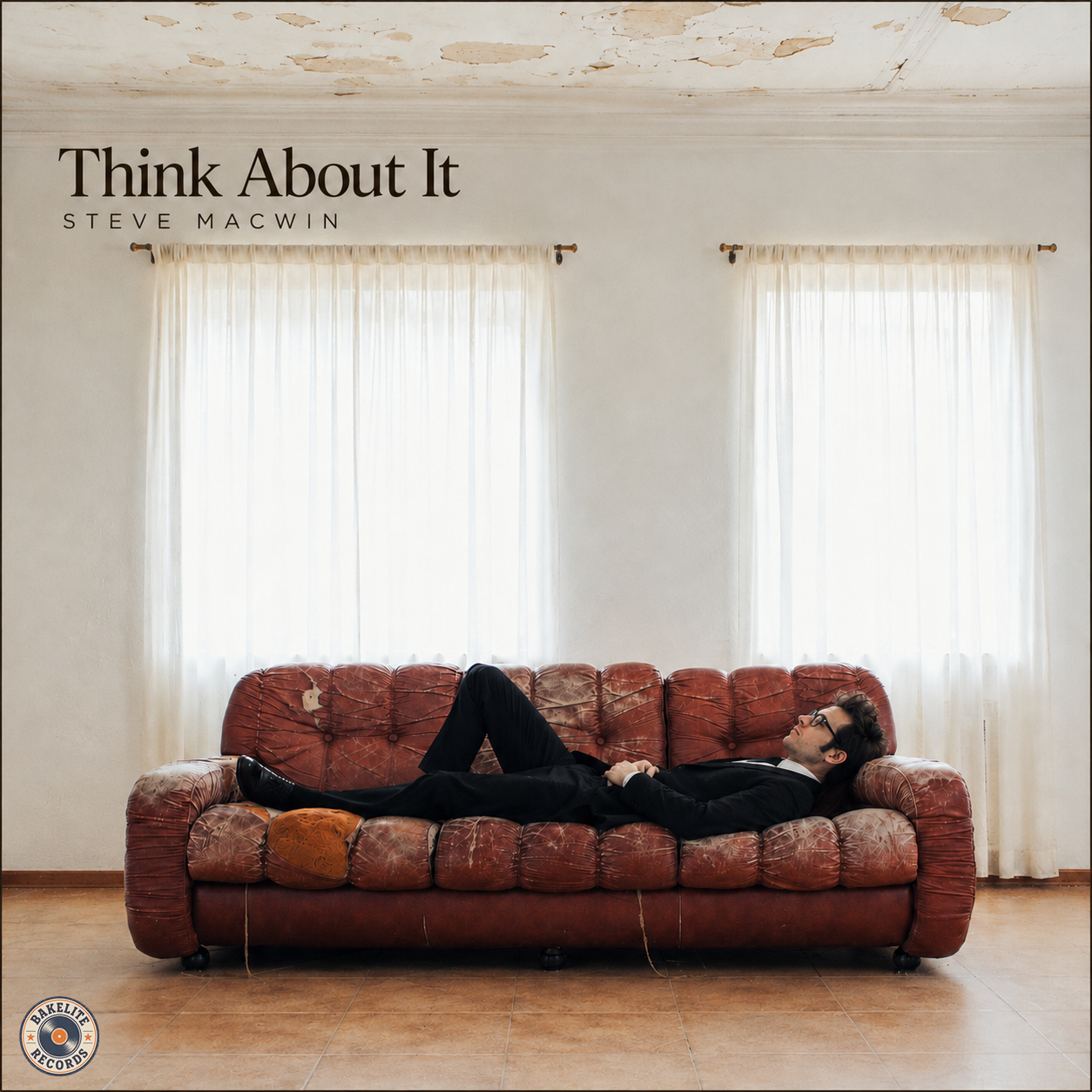
Portrait of fictional modern soul artist Steve Macwin

Modern soul, silk grooves

Steve Macwin

Clean tension, late-night elegance and soft modern grooves.
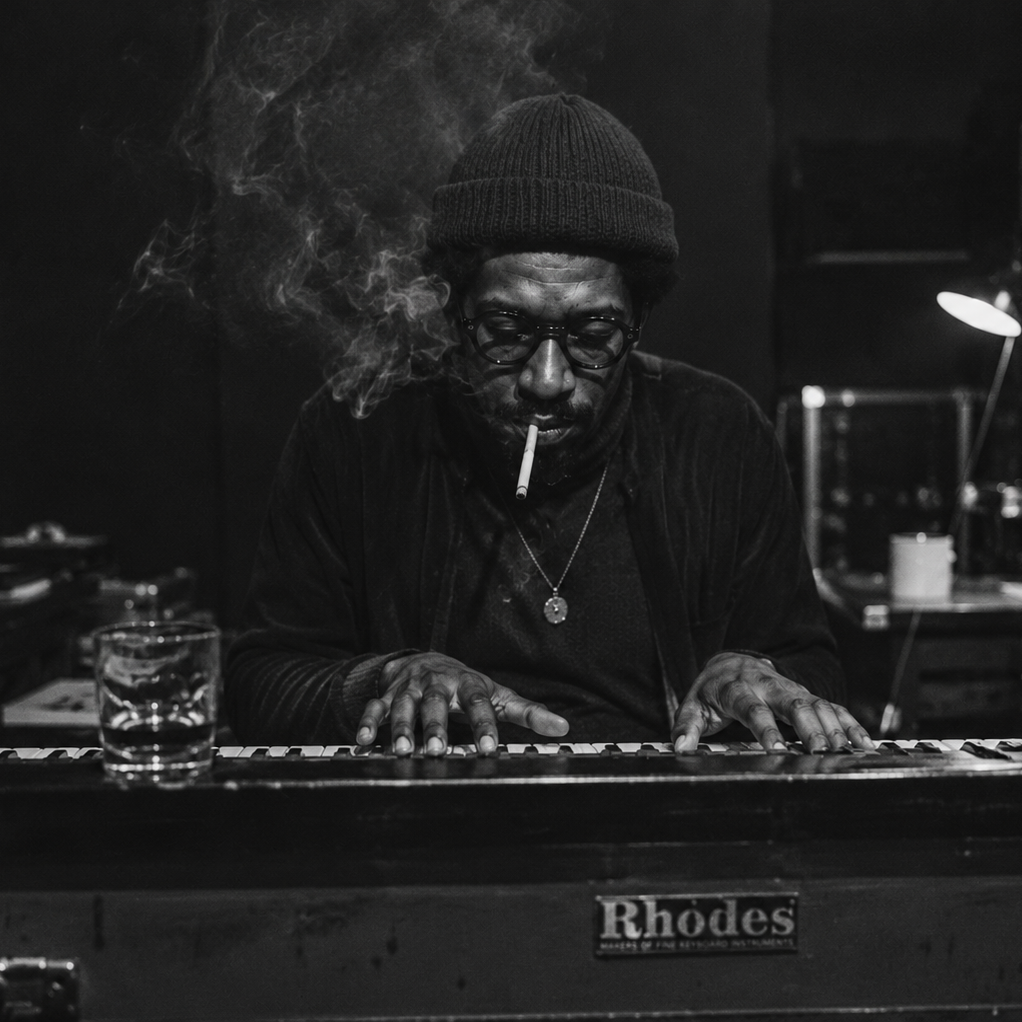
Portrait of fictional keyboard player Leon Robadmat Bishop

The Rhodes wizard

Leon “Robadmat” Bishop

Rhodes, Wurlitzer and small chords with large consequences.
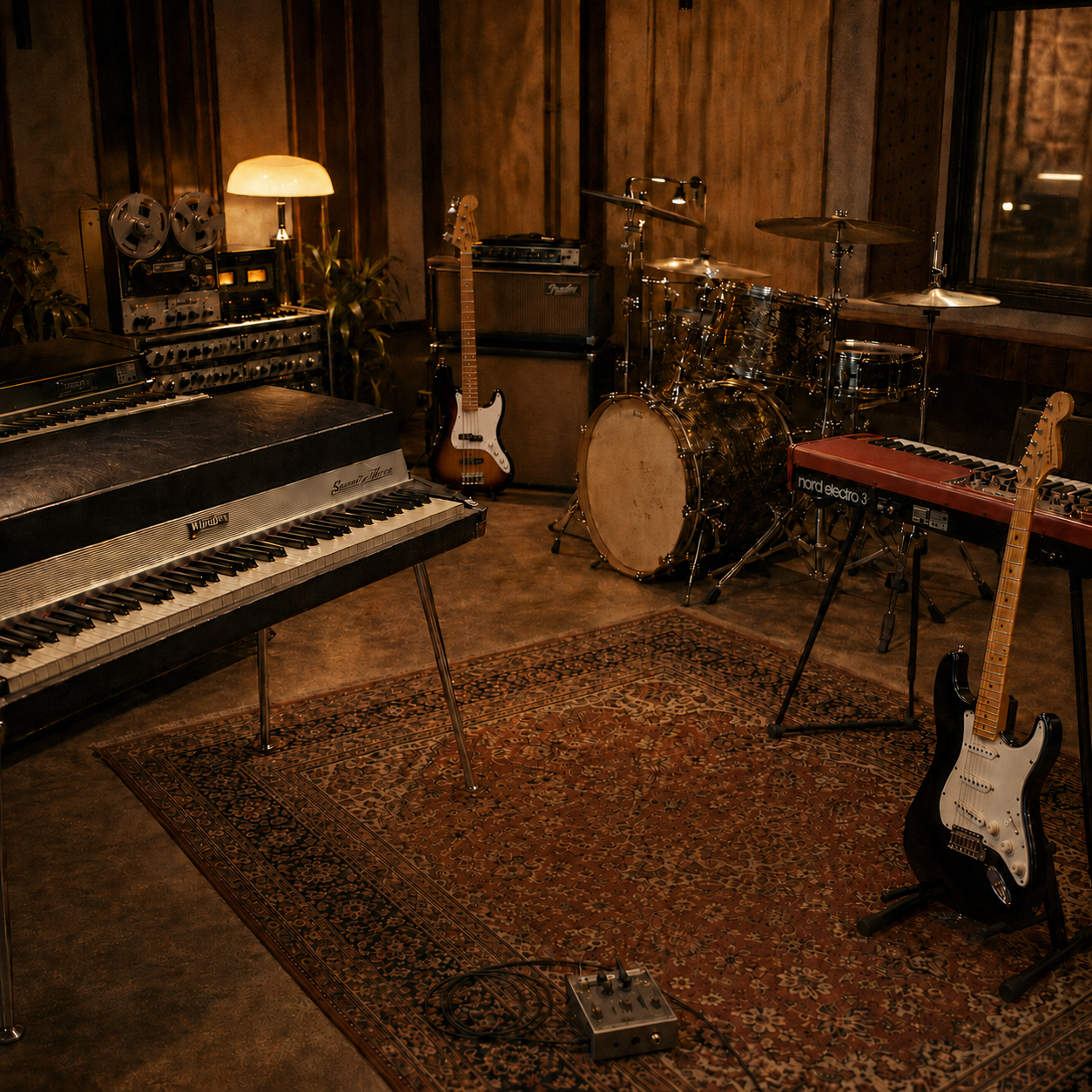
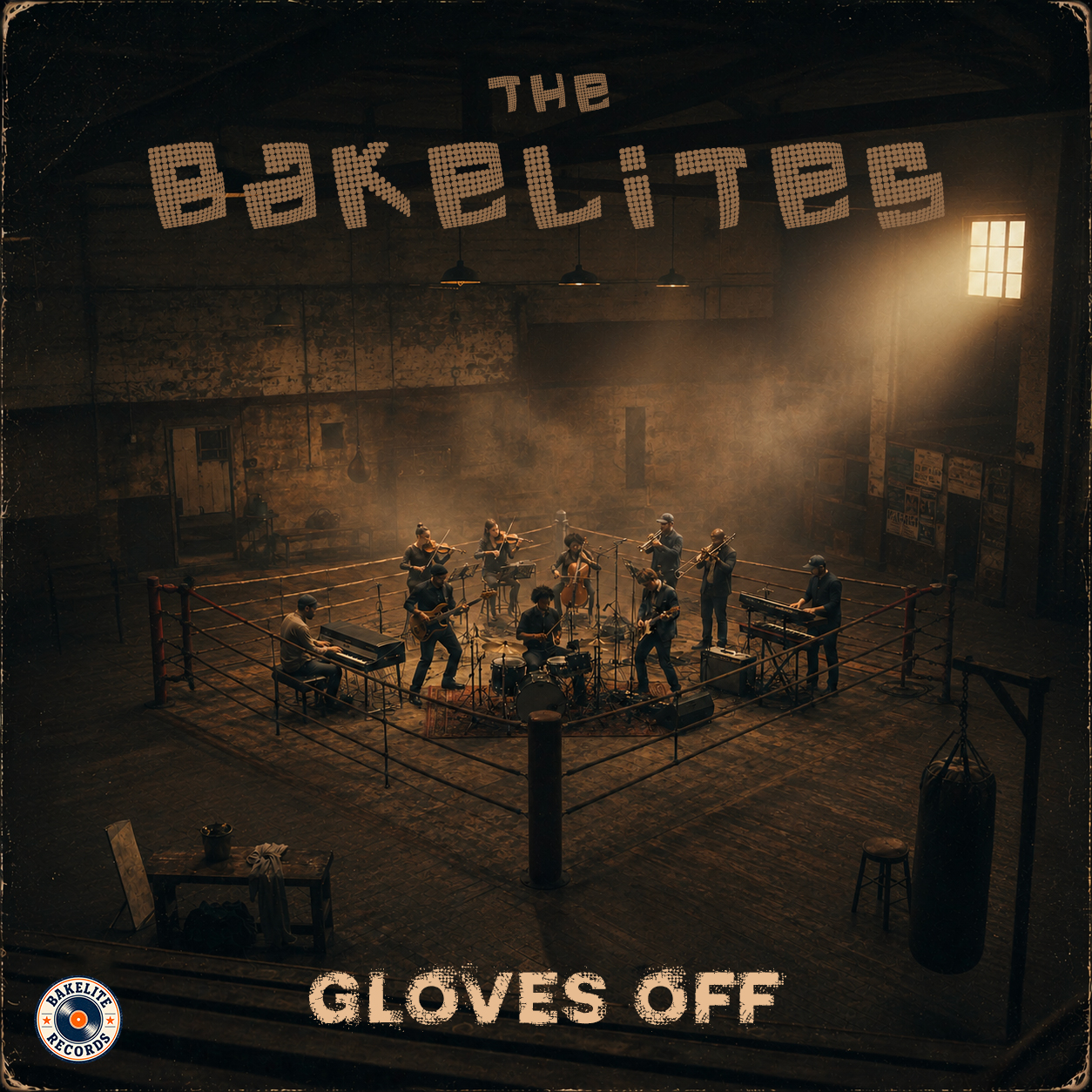
The fictional instrumental group The Bakelites

Instrumental grooves

The Bakelites

The instrumental house band. No voices, just motion.

03 / Unverified

The Bakelite Files

Fragments, rumours and studio notes from a label that never quite existed, until it did.

Not everything in the archive can be verified. That does not mean it isn’t true.

FILE 001
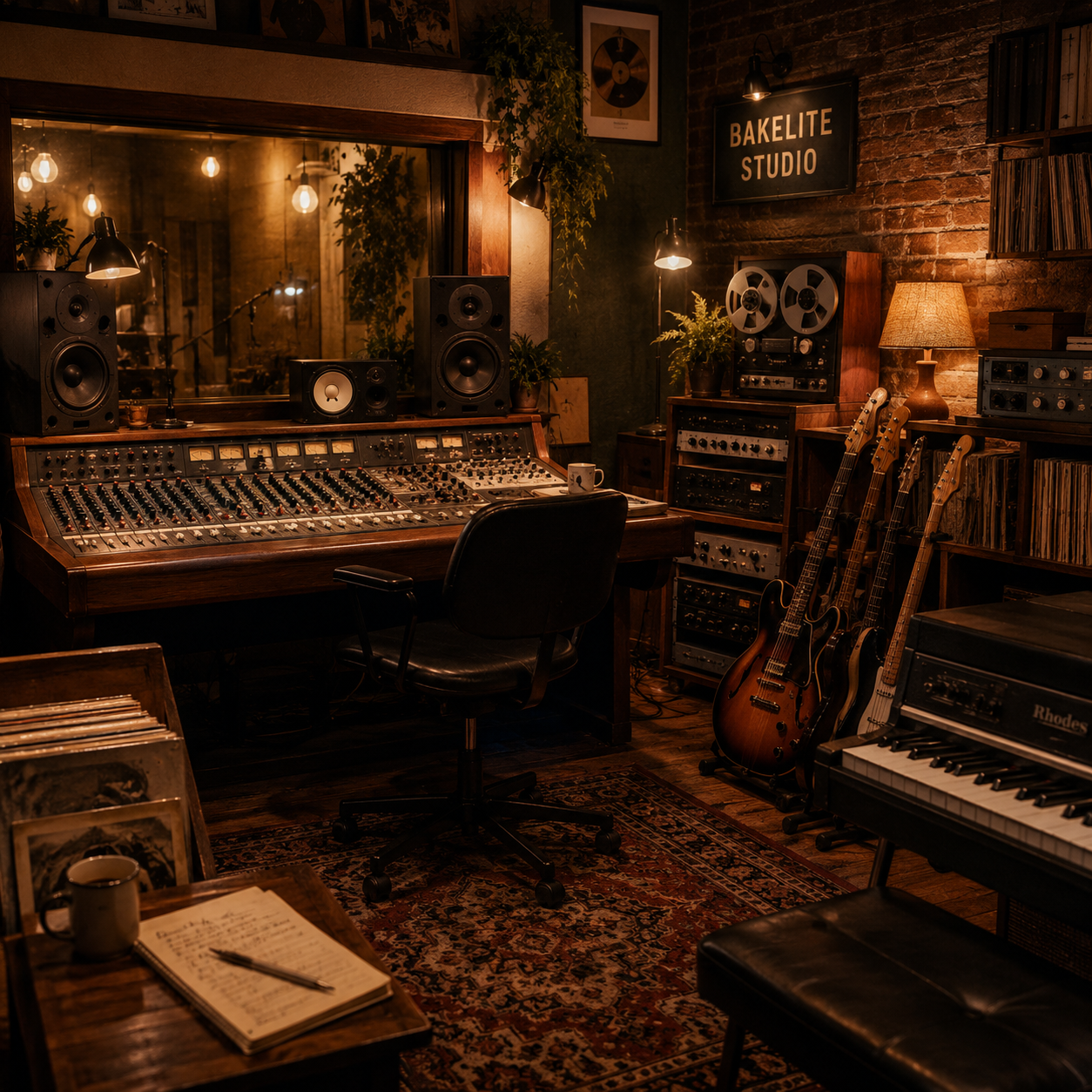
Interior of Bakelite Studio

The Story of Bakelite Records

A small studio, two generations and a catalogue shaped by the songs that deserved to exist.

Read note

BAK-FILE 002

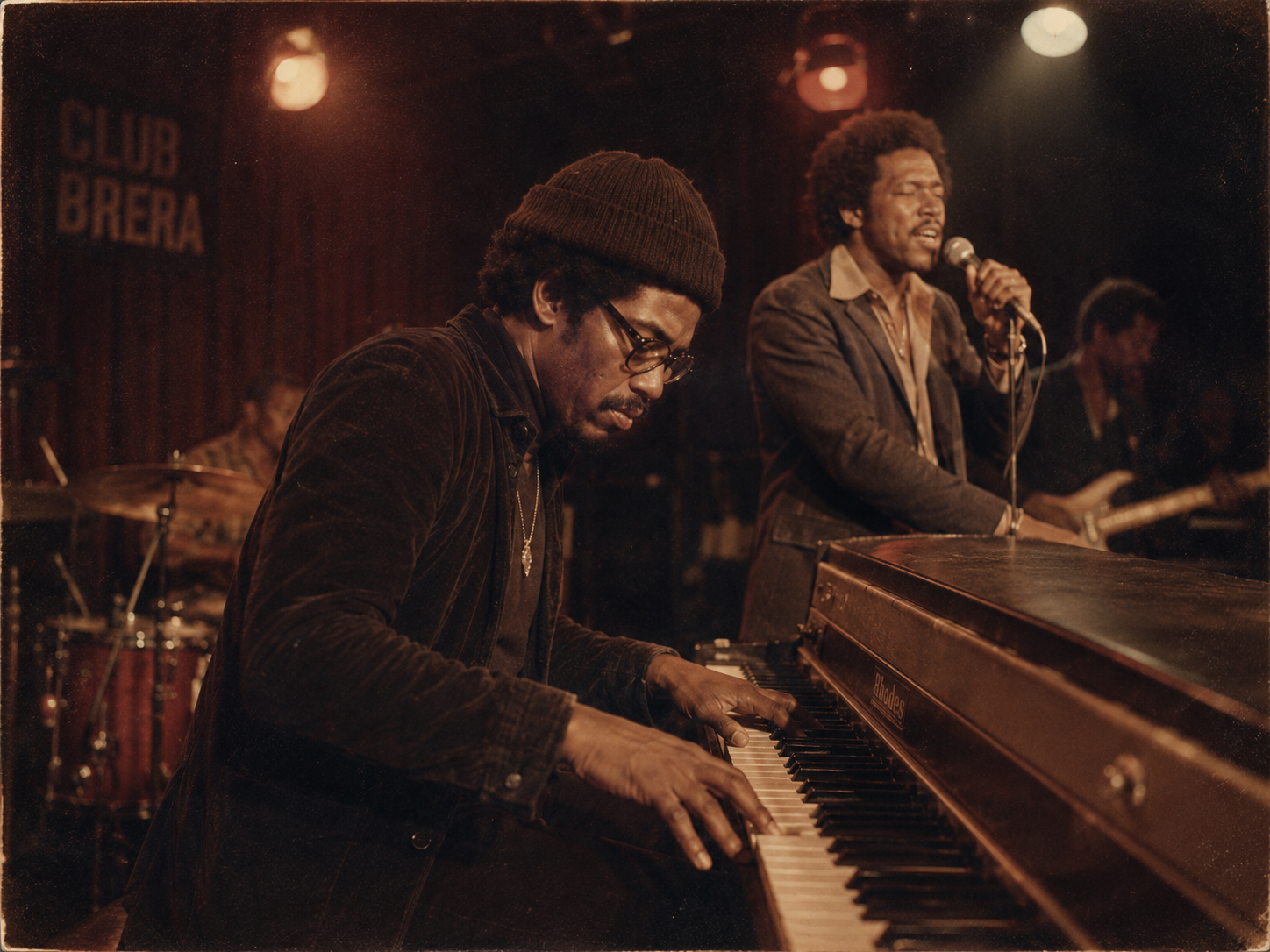
Concert tickets and photographs from Club Brera, Milan, April 7, 1977

How Leon Bishop Became Robadmat

Nobody agrees on the night Leon Bishop became Robadmat. Everyone remembers the Rhodes.

Read note

BAK-FILE 003

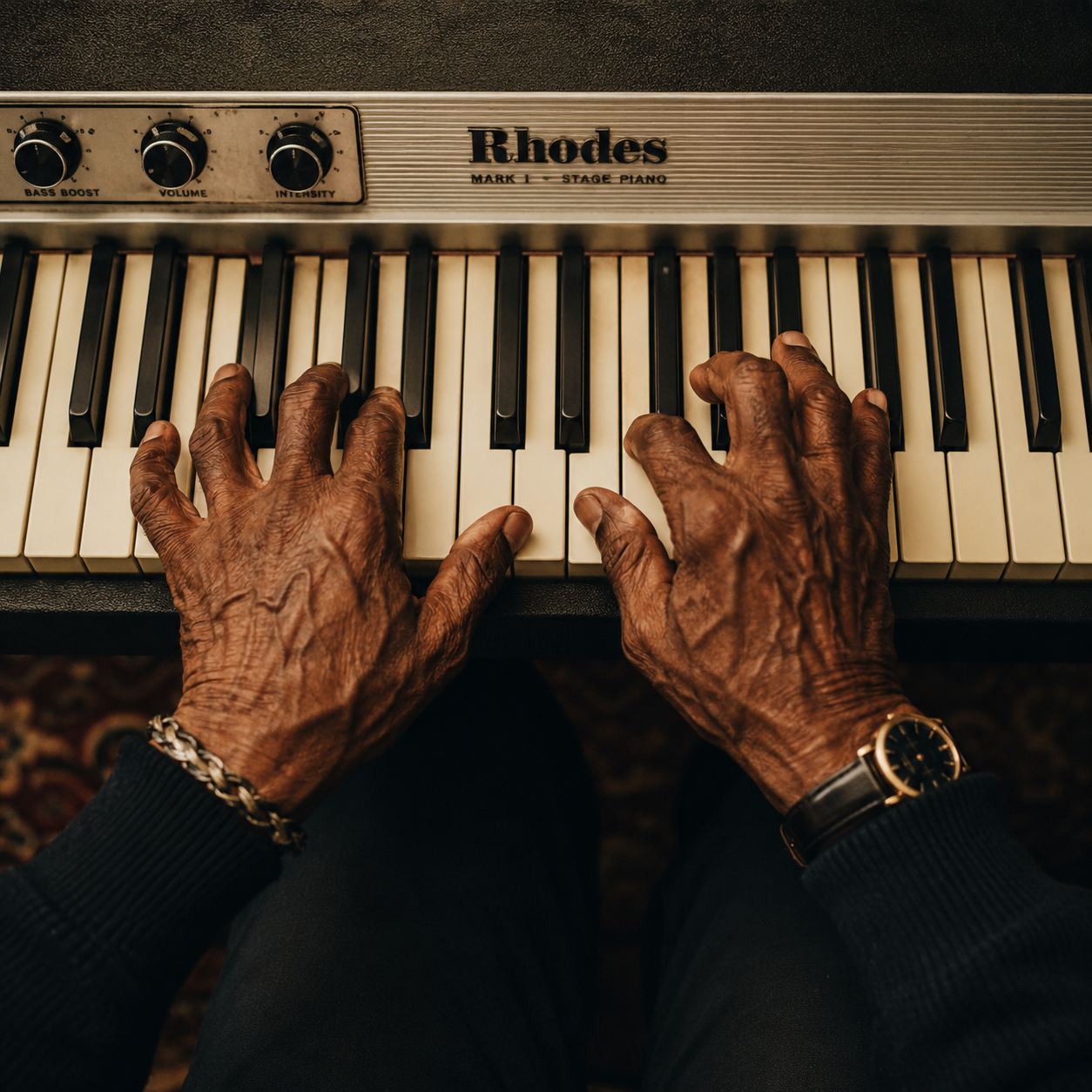
Leon Bishop's hands playing a Rhodes keyboard

The Robadmat Edits

Leon Bishop returns to Bakelite, not as an archive discovery, but as a working musician.

Read note

FILE 001

The Story of Bakelite Records

Bakelite Records began in 1969, in a small studio hidden on an ordinary American street.

The original Bakelite Studio during its early years
Bakelite Studio, late 1960s

It was never a famous place. The equipment was modest, the budgets were small, and most of the artists came from nearby. But the studio had a sound: warm, raw, imperfect, and full of life.

Its first great voices were Goldie Cameron and Ruby Valence.

Their records were pressed in small numbers and rarely travelled far, but locally they mattered. People played them at parties, in cars, in kitchens, and through open windows. Over time, the songs became part of the neighbourhood’s memory.

Then the sessions slowed.

By the late 1970s, the studio had almost gone silent. The original team moved on, the doors closed, and Bakelite remained untouched for years. Inside, the equipment, photographs, vinyl records and tape boxes stayed where they had been left.

In the late 1990s, a new generation reopened the building.

The restored Bakelite Studio in 2026
Bakelite Studio, 2026

While restoring the studio, they discovered forgotten recordings by Goldie Cameron and Ruby Valence: alternate takes, unfinished songs, lost sessions and unlabelled reels. Instead of turning Bakelite into a museum, they decided to bring it back to life.

The old recordings were restored. New artists were welcomed in.

At the heart of the studio is The Bakelites, Bakelite’s ever-changing house band. Part all-star collective, part musical laboratory, the group reshapes itself according to each project. Its music can move from soul and funk to jazz, acid jazz, cinematic scores and stranger territories, with a catalogue built mainly around instrumentals.

Today, Bakelite Records produces contemporary musicians such as Steve Macwin and Lou Vernet, while continuing to uncover fragments of its past.

The street has changed. The studio has changed.

But the idea remains the same:

some songs deserve to exist, even before the world knows it needs them.

BAK-FILE 002 / Unverified

How Leon Bishop Became Robadmat

Old concert tickets and photographs from Club Brera
Club Brera, Milan. Concert tickets and photographs from the archive.

Goldie Cameron and his band were in Italy for a short run of concerts. That evening, they were due to play a small club in Brera, the kind of place where the stage was barely higher than the audience and every instrument had to fight for space.

During the afternoon soundcheck, Leon Bishop sat behind the Rhodes while the engineers adjusted the microphones and monitors. Goldie tested a few lines at the front of the stage. The drummer tapped the snare. The bass player repeated the same four notes.

Leon Bishop playing the Rhodes during the concert at Club Brera
Leon Bishop at the Rhodes, Club Brera.

Then Leon began to play.

It was not part of the set. Just a loose sequence of chords at first, something to test the keyboard. But within seconds, the chords became a groove. Leon shifted the rhythm, opened the harmony, and turned an ordinary soundcheck into something nobody in the room had expected.

The local sound engineer, a man from Piedmont, stopped what he was doing and listened.

When Leon finally lifted his hands from the keys, the engineer laughed, shook his head, and said:

“Robadmat.”

Leon looked at Goldie, confused.

“What does that mean?”

The engineer explained that robadmat was a Piedmontese expression meaning something close to “crazy stuff”, “something completely mad”, or simply “that’s insane.”

Goldie Cameron and his band performing on stage at Club Brera
Goldie Cameron and his band on stage at Club Brera.

Goldie smiled.

“Robadmat,” he repeated. “That’s you.”

The nickname followed Leon onto the stage that night. Then into the next rehearsal, the next recording session, and eventually onto the tapes themselves.

Leon Bishop remained his real name.

But from Milan onward, whenever the music went somewhere nobody had planned, he became Robadmat.

BAK-FILE 003 / Unverified

The Robadmat Edits

When Bakelite Records began reopening its archives, the first discoveries were the recordings themselves: unfinished reels, unmarked cassettes, acetates, alternate takes and old vinyl pressings whose histories had become difficult to reconstruct.

The musicians were another matter.

Names appeared on tape boxes, session sheets and handwritten studio notes, sometimes without surnames, dates or any explanation of who had played what. One name kept returning beside the keyboards: Leon Bishop.

Leon Robadmat Bishop and Lou Vernet during a Bakelite studio session
Leon “Robadmat” Bishop and Lou Vernet during a session at Bakelite.

On Goldie Cameron’s recordings, Bishop’s Rhodes was unmistakable. His playing never crowded the song. It moved underneath it, bending the harmony slightly, leaving small spaces and unexpected turns behind the voice.

The label eventually found him and invited him back to the studio in 2015.

He arrived older, quieter and largely uninterested in nostalgia. Rather than recreating the old sessions, he listened to the surviving tapes and began playing against them: new chords beneath unfinished vocals, alternate passages, slower versions and fragments that had never become complete songs.

Leon Bishop reviewing a recording with the Bakelite engineering team
Reviewing a newly recorded take with the Bakelite engineering team.

Those sessions became known as the Robadmat Edits.

Over the following decade, Bishop continued working with a new generation of Bakelite musicians. He played with contemporary singers, producers and engineers who knew his recordings long before they knew the man behind them.

Some sessions began with an old tape. Others began with nothing more than a Rhodes, a rhythm and a conversation.

The result was not a reconstruction of the past. It was a continuation.

Leon “Robadmat” Bishop had returned to Bakelite, not as an archive discovery, but as a working musician whose sound could still move naturally between eras.

04 / Catalogue

Releases

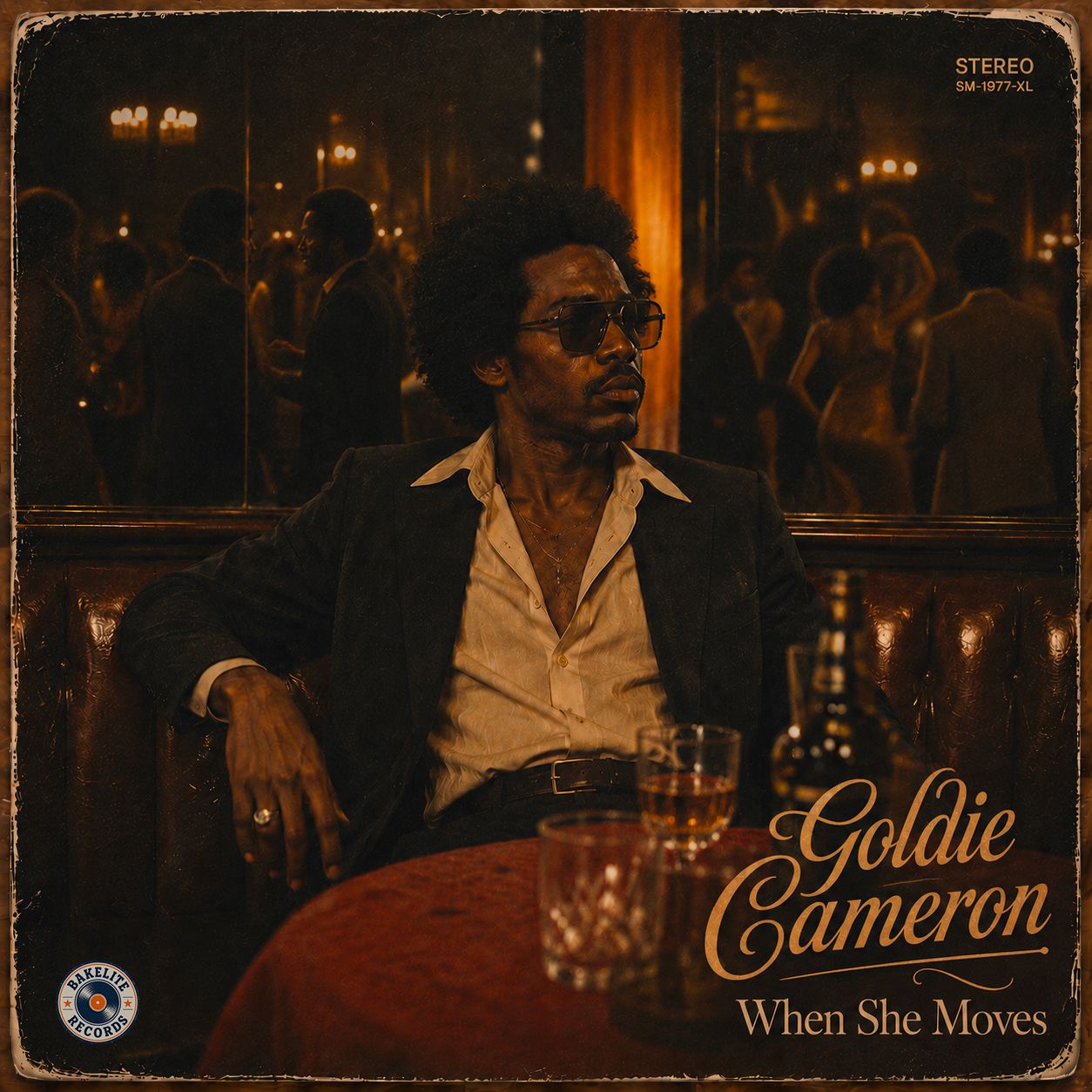
Songs, edits and recovered fragments from the Bakelite catalogue. YouTube links will be added as the sessions go live.
05 / The Method

Human Input

Our principle

Every song begins with a human intention.

Bakelite Records is shaped by a small group of human ears, hands and obsessions.

We write, direct, select, reject, arrange, edit, imagine and refine.

The lyrics are written by humans. The stories are written by humans. The artists, visual worlds, references and emotional direction are imagined by humans.

We also gather recorded material: instrumental ideas, grooves, sounds, textures, voices, sketches, references and fragments. These human inputs are fed into the machine, then shaped, questioned, rejected, rebuilt and directed until we hear what we are looking for.

The tools are modern, but the decisions remain human.

Every song begins with a human intention: a mood, a rhythm, a lyric, an image, an instrument, a reference, a memory.

AI helps transform the material, but taste decides what survives.

01

Human Writing

Lyrics, stories, artist identities and emotional direction.

02

Recorded Inputs

Grooves, instrumental ideas, textures, voices, sketches and sonic fragments.

03

Human Direction

Selection, rejection, editing, arrangement, taste and final decisions.

The machine may generate.
The humans decide.

06 / Stay Tuned

Follow the Archive

The channel is opening soon. Until then, the tapes are still being sorted.